

If you’re thinking about straightening your smile, or your teen’s, you’ve probably landed on the big question pretty quickly: braces or Invisalign? Both can create a healthy, beautiful smile. The right choice usually comes down to your bite, your goals, and how each option fits into your everyday life.
At Robert Trujillo Orthodontics + Smile Design in North Bend, we offer modern braces, clear ceramic braces, and Invisalign clear aligners. Dr. Trujillo doesn’t believe in a one-size-fits-all answer. Here’s an honest look at how the options compare so you can walk into your consultation already knowing what matters to you.
How Braces Work Today
Braces have come a long way. Today’s brackets are smaller, smoother, and more comfortable than what most parents remember from their own teen years. Our metal braces include the Damon Ultima System, a self-ligating design that uses a built-in mechanism to hold the wire instead of elastic ties. That can mean more precise control over tooth movement and simpler adjustment visits.
Because braces stay on the teeth, they work around the clock. There’s nothing to remember to put back in and nothing to lose. That makes them a dependable choice for more complex bite concerns and for anyone who knows keeping up with removable trays might be a challenge.
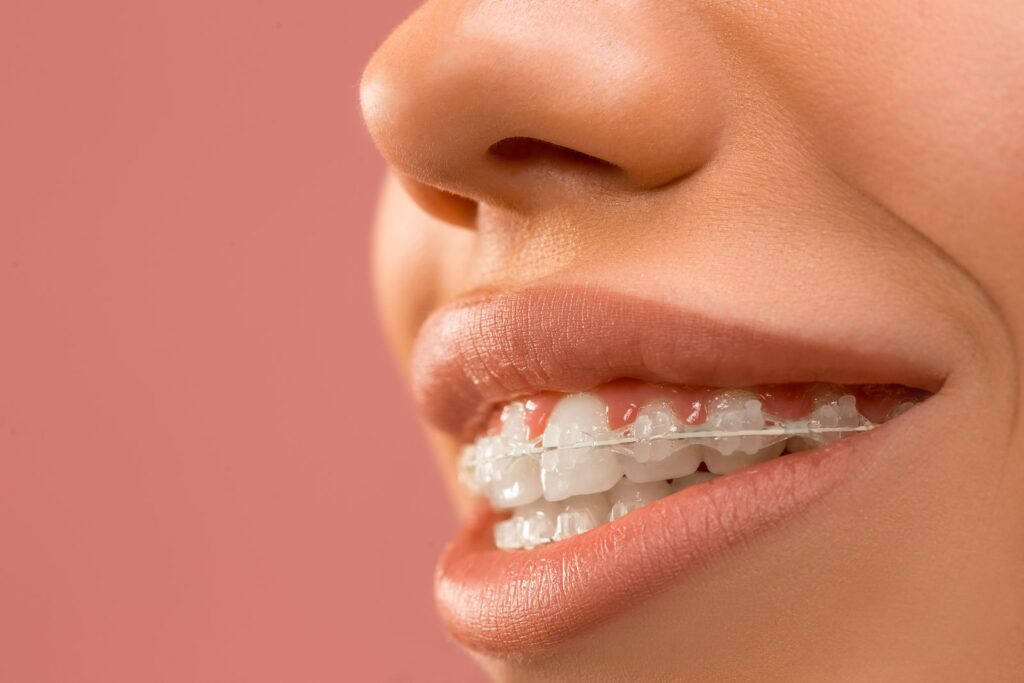
Prefer something more subtle? Clear braces use tooth-colored ceramic brackets that blend in with your smile while giving you the same reliable control as traditional braces.

How Invisalign Works
Invisalign uses a series of custom, clear aligners that gradually move your teeth into place. They’re nearly invisible, they come out when you eat, and you can brush and floss normally. For a lot of teens and adults, that flexibility is a big deal.
The tradeoff is responsibility. Aligners only work while you’re wearing them, and that’s typically 20 to 22 hours a day. If you’re ready to keep up with your trays and switch to each new set on schedule, Invisalign can be an excellent fit. Dr. Trujillo is an Invisalign Diamond Provider, so he has extensive experience planning aligner treatment for all kinds of smiles.
Braces vs. Invisalign at a Glance
Appearance
Invisalign is the most discreet option. Clear braces are a close second. Metal braces are the most visible, though plenty of kids love picking fun colors for their ties.
Daily Routine
With Invisalign, you remove your aligners to eat and drink anything other than water, then brush before putting them back in. With braces, you can leave everything in place, but you’ll need to avoid hard, sticky, and chewy foods and take a little extra time cleaning around the brackets.
Responsibility
Braces do the work without you having to think about them. Invisalign depends on consistent wear, so it’s best for patients who are ready to own that part of the process.
Complex Cases
Both options can handle a wide range of crowding, spacing, and bite concerns. For certain complex cases, braces may give Dr. Trujillo more control. He’ll let you know if your smile is better suited to one approach.
Questions to Ask Yourself
- Will I (or my teen) wear aligners consistently, every day?
- How much does a discreet look matter at school, work, or in photos?
- Do I play contact sports or an instrument?
- Would I rather have nothing to keep track of?
- What does Dr. Trujillo recommend for my specific bite?
That last question matters most. The best treatment is the one that fits both your smile and your life, and an in-person evaluation is the only way to know for sure.
Whichever You Choose, Retainers Come Next
No matter how your teeth get straight, keeping them that way depends on wearing your retainer as directed. Teeth naturally want to drift over time. Learn more about your options on our retainers page.
Frequently Asked Questions
Is Invisalign as effective as braces?
For many patients, yes. Invisalign can treat a wide range of crowding, spacing, and bite concerns when the aligners are worn as directed. For some complex cases, braces may give more control. Dr. Trujillo will recommend what fits your smile.
Can teens get Invisalign?
Yes. Invisalign works well for teens who are ready to wear their aligners consistently. Younger kids may be candidates for Invisalign First.
Do braces hurt?
Most patients feel some mild soreness for a few days after braces go on or after an adjustment. Modern, low-profile brackets are much more comfortable than older designs.
Find Out What Fits You
Still on the fence? That’s completely normal. Schedule a free consultation in North Bend, or start with a virtual consult from home. Dr. Trujillo will walk you through your options and help you choose with confidence.